
Abanga Tea Estate Project
Overview
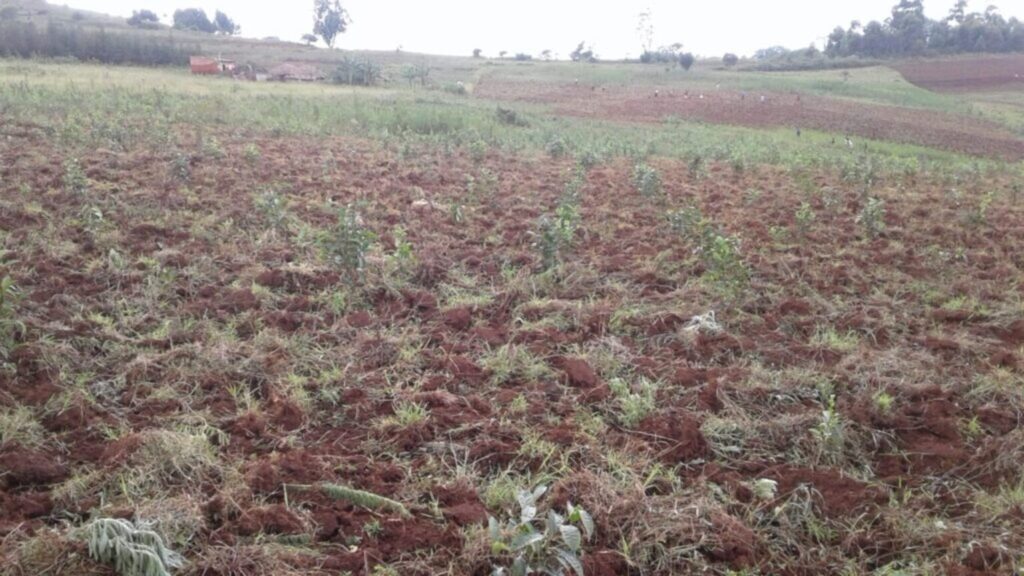
The Diocese owns and manages a 15-acre tea estate located in Abanga, Zombo District. This strategic agricultural project was established to generate sustainable income to support the Diocese’s pastoral, social, and development programs. Although still in its early stages, the Abanga Tea Estate has already shown strong potential and promise as a long-term source of financial stability for the Diocese.
Purpose of the Project
The primary objective of the Abanga Tea Estate Project is to strengthen the financial capacity of the Diocese through commercial agriculture. The income generated from tea production is intended to support church activities, clergy welfare, evangelization programs, education initiatives, health services, and community development projects within the Diocese.
Current Status
The project is still young but steadily progressing. The tea plants are well established and beginning to yield encouraging results. With proper management, technical support, and additional investment, the estate is expected to grow into a major income-generating asset for the Diocese in the coming years.
Opportunities for Growth
To maximize the impact and sustainability of this initiative, the Diocese seeks further support to establish complementary income-generating activities with:
High returns on investment
Short payback periods
Sustainable and environmentally friendly practices
These additional ventures will enhance financial resilience and ensure consistent revenue streams to fund diocesan programs and services.
Call for Partnership and Support
The Diocese invites partners, donors, development agencies, and well-wishers to support the Abanga Tea Estate Project. Your contribution will help expand production capacity, improve processing and marketing, and introduce new high-impact enterprises. Together, we can strengthen the Diocese’s mission of serving the spiritual and socio-economic needs of the community.
Expected Impact
Sustainable income generation for diocesan activities
Job creation for the local community
Strengthened self-reliance of the Diocese
Long-term support for education, health, and pastoral services